
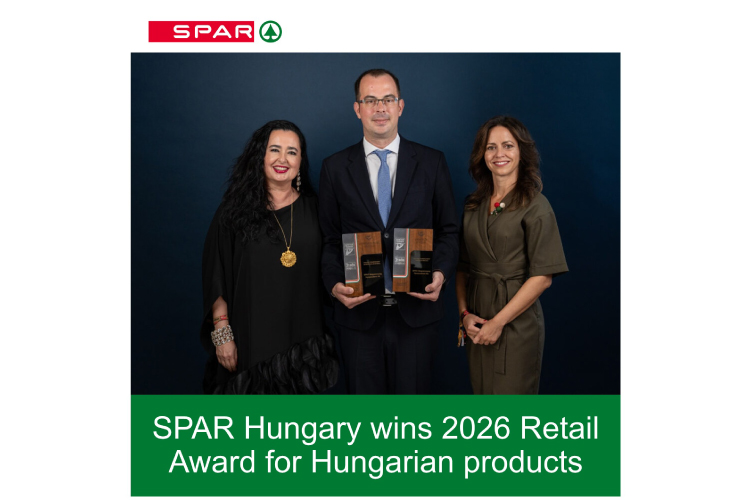
SPAR Hungary jointly won the 2026 Retail Award for Hungarian Products, together with another chain, Penny. Companies which are authorised to use the Hungarian Product trademark as well as a professional jury rated both retail groups as the best performers.
-
International voluntary food retail group
Multi-format retail -
Supporting independent retailers in diverse markets
SPAR Expansion -
Generating interest in retail through being Better Together
People in SPAR -
Read about local SPAR initiatives in different communities
News & Media
Founded in 1932
There are now over 13,500 SPAR branded stores in 50 countries on four continents, meeting the needs of over 14.7 million consumers every day.
The SPAR voluntary food retail concept works on the basis of licensed wholesalers and retailers working in partnership to the benefit of all. The cornerstone of this partnership is a commitment to the open exchange of knowledge and information. This commitment is a hallmark of the organisation and is intimately connected to the sense of community which prevails within the network.
Discover our Store Formats
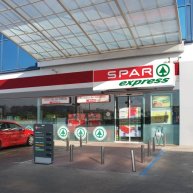
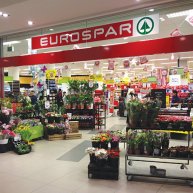
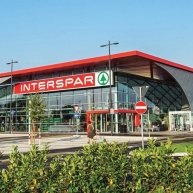
SPAR licensed businesses operate a multi-format retail strategy with four distinct formats: SPAR, SPAR Express, EUROSPAR Supermarket and INTERSPAR Hypermarket, each tailored to meet specific customer needs and markets. The diverse solutions range from convenience stores to large hypermarkets.
News just in
With over 13,500 stores operating under the SPAR brand, the updates to share include our community support initiatives, our work with our retail and wholesale colleagues, local sourcing, store openings, brand launches, and more.